
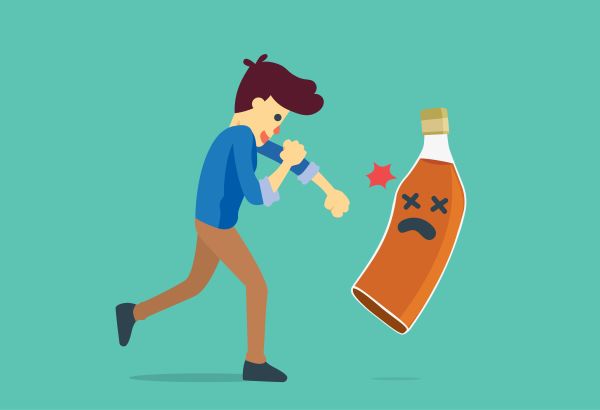
Alcohol addiction is a pervasive and challenging issue that affects millions of individuals worldwide. In Delhi, the bustling capital of India, the problem of alcohol addiction is no exception. Fortunately, there are various effective alcohol addiction treatment options available in Delhi, including professional guidance from psychiatrist doctors. In this comprehensive guide, we will delve into different types of alcohol addiction treatment methods to help those seeking assistance on their journey to recovery. We will also highlight the role of psychiatrist doctors in Delhi in treating alcohol addiction.
Inpatient Rehabilitation Programs
Inpatient rehabilitation programs, commonly known as “rehab,” are structured treatment programs that offer 24/7 care and support to individuals struggling with alcohol addiction. These programs often take place in specialized facilities or hospitals.
Inpatient rehabilitation programs provide a controlled and safe environment for individuals to focus solely on their recovery. Key features of inpatient programs include:
Detoxification: The initial phase involves medical detoxification under the supervision of healthcare professionals to manage withdrawal symptoms safely.
Therapy: Inpatients participate in individual and group therapy sessions, where they can explore the underlying causes of their addiction and learn coping strategies.
Structured Routine: A daily schedule is designed to keep individuals engaged in productive activities and therapeutic sessions.
Peer Support: Being in a communal setting allows patients to connect with others facing similar challenges, providing a sense of camaraderie and understanding.
Psychiatrist Consultations: Inpatient programs often have access to psychiatrist doctors who can provide psychiatric evaluations and medication management when necessary.
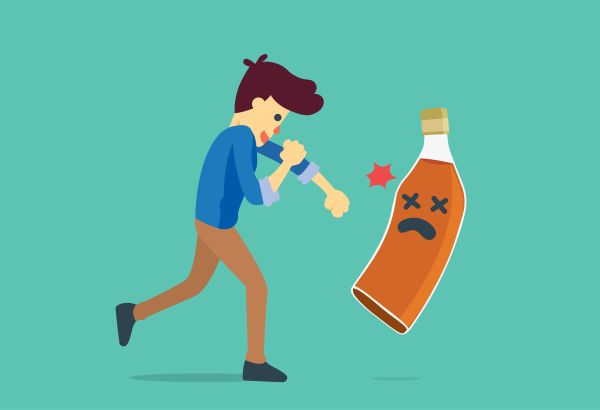
Outpatient Treatment Programs
Outpatient treatment programs offer flexibility for individuals who cannot commit to a full-time residential program. These programs are suitable for those with milder forms of alcohol addiction or those transitioning from inpatient treatment.
Key aspects of outpatient treatment programs include:
Structured Sessions: Outpatient programs consist of scheduled counseling and therapy sessions, allowing individuals to maintain their daily routines.
Support Network: Patients can receive support from family and friends while undergoing treatment.
Continued Care: Outpatient programs often provide ongoing support, including relapse prevention strategies and psychiatric consultations with experienced psychiatrist doctors in Delhi.
Flexibility: Outpatient treatment is adaptable to individual needs, making it suitable for those who need to balance work, family, and treatment.
Medication-Assisted Treatment (MAT)
Medication-assisted treatment (MAT) is an evidence-based approach that combines medication with therapy to address alcohol addiction effectively.
Key components of MAT for alcohol addiction include:
Medication: Specific medications, such as naltrexone, acamprosate, and disulfiram, may be prescribed to help reduce cravings, block the pleasurable effects of alcohol, or induce adverse reactions when alcohol is consumed.
Counseling: MAT is most effective when combined with counseling and therapy to address the psychological aspects of addiction.
Psychiatrist Involvement: A trained psychiatrist doctor in Delhi can evaluate the individual’s needs, prescribe appropriate medications, and monitor their progress throughout the treatment.
Long-Term Support: MAT often involves a long-term commitment to ensure sustained recovery.
Cognitive-Behavioral Therapy (CBT)
Cognitive-behavioral therapy (CBT) is a widely used therapeutic approach that focuses on identifying and modifying negative thought patterns and behaviors associated with alcohol addiction.
Key elements of CBT in alcohol addiction treatment include:
Identification of Triggers: Patients work with therapists to identify triggers that lead to alcohol use and develop strategies to manage them.
Skills Development: Individuals learn coping skills and healthy behaviors to replace drinking as a way to deal with stress or emotional issues.
Psychiatrist Collaboration: In some cases, collaboration with a psychiatrist doctor in Delhi may be necessary to address underlying mental health issues alongside CBT.
Relapse Prevention: CBT equips individuals with tools to prevent relapse and effectively deal with cravings.
Motivational Enhancement Therapy (MET)
Motivational Enhancement Therapy (MET) is a client-centered approach that focuses on increasing an individual’s motivation to change their alcohol-related behaviors.
Key components of MET include:
Assessment: Therapists work with patients to assess their readiness to change and their personal goals.
Enhancing Motivation: MET uses empathetic listening and motivational interviewing techniques to help individuals find their internal motivation for change.
Goal Setting: Together with the therapist, patients set achievable goals related to reducing or quitting alcohol use.
Psychiatrist Involvement: A psychiatrist doctor in Delhi may be consulted if there are co-occurring mental health issues requiring treatment alongside MET.
Support Groups and 12-Step Programs
Support groups and 12-step programs, such as Alcoholics Anonymous (AA), provide peer support and a structured approach to recovery.
Key aspects of support groups and 12-step programs include:
Peer Support: Participants share their experiences, challenges, and successes in a supportive environment.
Sponsorship: Individuals often have sponsors who provide guidance and mentorship throughout the recovery process.
Psychiatrist Referral: While these programs do not replace professional treatment, they may recommend psychiatric evaluation and consultation with a psychiatrist doctor in Delhi when necessary.
Holistic Approaches
Holistic approaches to Alcohol Addiction Treatment in Delhi focus on healing the whole person, including the mind, body, and spirit.
Key elements of holistic approaches include:
Mindfulness and Meditation: Practices that promote relaxation and self-awareness can be incorporated into treatment.
Nutrition and Exercise: A healthy lifestyle that includes proper nutrition and physical activity supports overall well-being and recovery.
Alternative Therapies: Modalities such as acupuncture, yoga, art therapy, and massage may complement traditional treatment methods.
Psychiatrist Consultation: A holistic approach acknowledges the importance of mental health and may involve collaboration with a psychiatrist doctor in Delhi for a comprehensive treatment plan.
Conclusion
Alcohol addiction treatment in Delhi offers a range of options to address the diverse needs of individuals struggling with alcohol addiction. Whether through inpatient rehabilitation, outpatient programs, medication-assisted treatment, therapy approaches like CBT and MET, support groups, or holistic methods, there is hope and support available for those on the path to recovery. Additionally, the involvement of psychiatrist doctors in Delhi can play a crucial role in addressing co-occurring mental health issues, ensuring comprehensive and effective treatment for alcohol addiction. Remember that seeking professional help is a crucial step towards a healthier, alcohol-free life.
 Psychiatrist Doctor In Delhi