
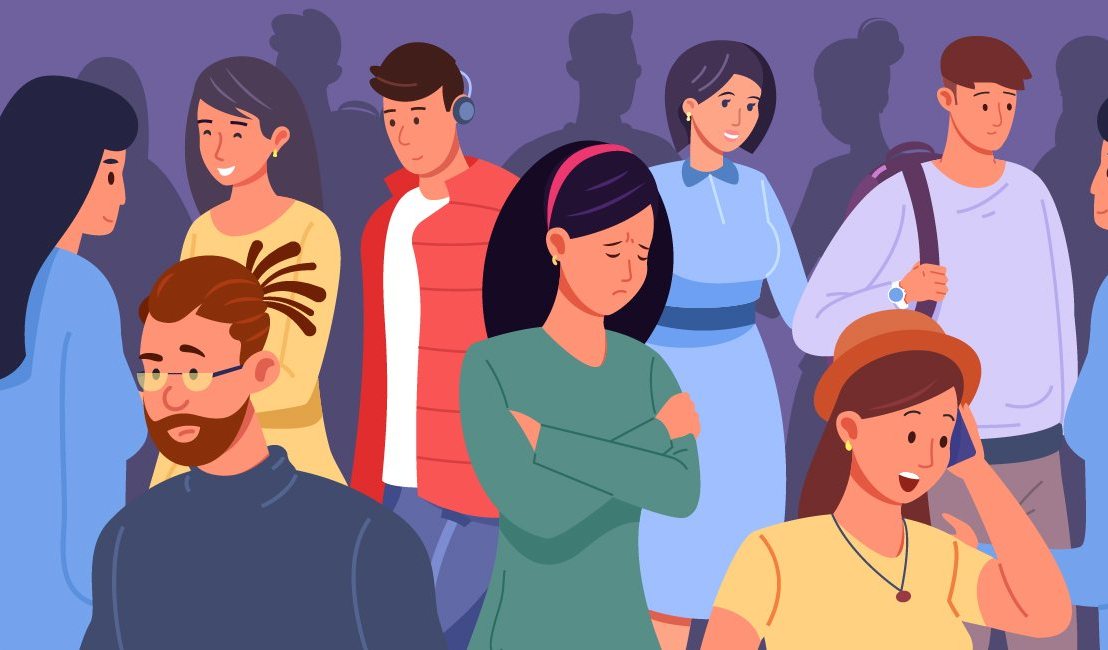
Social anxiety, often referred to as social phobia, is a mental health condition characterized by an overwhelming fear of social situations and a persistent concern about being judged or scrutinized by others. It can manifest in various forms and intensity levels, affecting individuals differently. Dr. [Your Name], a psychiatrist doctor in Gurgaon, is committed to helping individuals overcome social anxiety and lead fulfilling lives. In this article, we will define social anxiety, explore its causes and symptoms, and delve into the treatments available to those seeking relief.
Defining Social Anxiety
Social anxiety disorder is more than just shyness or nervousness in social situations. It is a psychiatric condition that can have a profound impact on an individual’s life. Key characteristics include:
Intense Fear: Individuals with social anxiety experience intense and irrational fear in social situations. This fear often centers around being embarrassed, humiliated, or negatively evaluated by others.
Avoidance: To cope with this fear, individuals with social anxiety may avoid social situations or endure them with extreme distress.
Physical Symptoms: Social anxiety can lead to physical symptoms like sweating, trembling, a racing heart, blushing, and stomach discomfort.
Duration: The anxiety and avoidance associated with social anxiety persist for six months or more, significantly interfering with daily life.
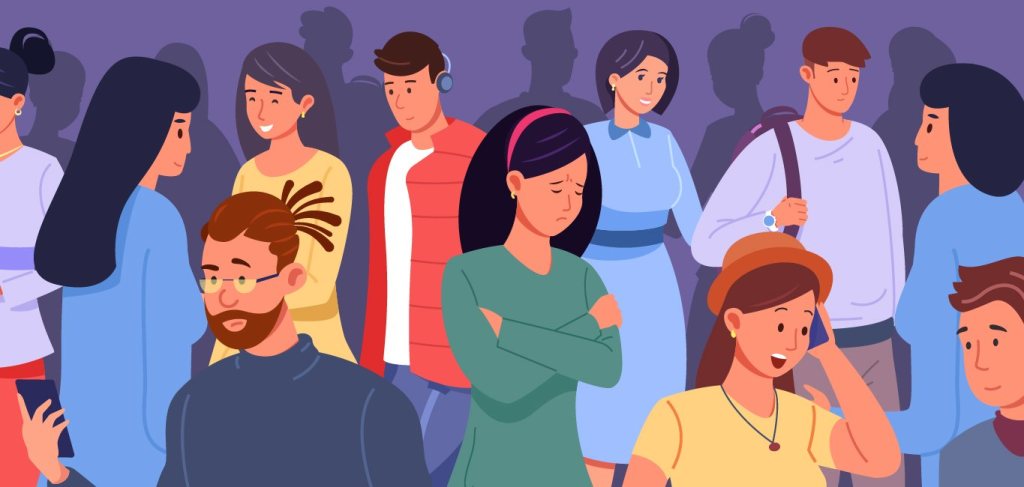
Causes of Social Anxiety
The exact cause of social anxiety is not fully understood, but it is likely the result of a combination of factors, including:
Genetics: There is evidence to suggest that genetics play a role in predisposing individuals to social anxiety. If a close family member has the condition, there may be an increased risk.
Brain Chemistry: Imbalances in neurotransmitters, particularly serotonin, may contribute to the development of social anxiety.
Environmental Factors: Traumatic or embarrassing experiences in social situations during childhood or adolescence can contribute to the development of social anxiety.
Learned Behavior: Observing and imitating anxious behaviors in parents or caregivers can contribute to the development of social anxiety in children.
Symptoms of Social Anxiety
Social anxiety can manifest in various ways, and its symptoms can be both physical and psychological. Common symptoms include:
Excessive Worry: Individuals with social anxiety often worry excessively about upcoming social events.
Physical Symptoms: As mentioned earlier, physical symptoms like sweating, trembling, nausea, and a racing heart are common.
Avoidance: Avoidance of social situations, including parties, meetings, or even everyday interactions, is a hallmark of social anxiety.
Negative Self-Image: People with social anxiety often have low self-esteem and may view themselves negatively.
Performance Anxiety: It can manifest as fear of speaking in public, fear of eating in front of others (selective mutism), or avoidance of any situation where they feel they are being observed or judged.
Interpersonal Challenges: Building and maintaining relationships can be difficult for individuals with social anxiety.
Substance Abuse: Some individuals may turn to substances like alcohol or drugs to cope with their social anxiety.
Diagnosis and Assessment
Diagnosing social anxiety involves a comprehensive evaluation by a mental health professional, such as a psychiatrist. The psychiatrist doctor in Gurgaon, utilizes various assessment tools, interviews, and discussions to determine the presence and severity of social anxiety in individuals. A thorough assessment helps tailor an effective treatment plan.
Treatment Approaches
Social anxiety is a treatable condition, and there are several effective approaches available, including:
Psychotherapy: Cognitive-behavioral therapy (CBT) is often the first-line treatment for social anxiety. It helps individuals identify and change negative thought patterns and behaviors associated with their anxiety.
Medication: In some cases, medication, such as selective serotonin reuptake inhibitors (SSRIs), may be prescribed to alleviate symptoms.
Exposure Therapy: This form of CBT involves gradually exposing individuals to feared social situations, helping them become more comfortable over time.
Mindfulness and Relaxation Techniques: Learning mindfulness and relaxation exercises can help individuals manage the physical and emotional symptoms of social anxiety.
Support Groups: Joining a support group for individuals with social anxiety can provide a sense of community and understanding.
Lifestyle Changes: Incorporating healthy lifestyle habits, such as regular exercise, a balanced diet, and adequate sleep, can have a positive impact on social anxiety.
Role of a Psychiatrist Doctor in Gurgaon
As a psychiatrist doctor in Gurgaon is dedicated to providing expert care and support to individuals struggling with social anxiety. Dr. conducts thorough assessments, offers evidence-based treatments, and collaborates with patients to develop personalized treatment plans.
Doctor approach encompasses a holistic view of mental health, addressing not only the symptoms of social anxiety but also the underlying causes and individual needs of each patient. With compassion and expertise, Dr. guides individuals on their journey to overcoming social anxiety and achieving a higher quality of life.
Conclusion
Social anxiety is a challenging mental health condition that can significantly impact an individual’s life, but with the right support and treatment, it is entirely manageable. Dr. [Your Name], a trusted psychiatrist doctor in Gurgaon, is dedicated to helping individuals overcome social anxiety and regain control of their lives. By defining social anxiety, exploring its causes and symptoms, and highlighting the various treatment approaches available, we hope to provide valuable insights and guidance to those seeking relief from this condition.
 Psychiatrist Doctor In Delhi